Netflix is an American subscription video on-demand over-the-top streaming service. The service primarily distributes original and acquired films and television shows from various genres, and it is available internationally in multiple languages.
Netflix has been at the centre of significant corporate developments this month, with two major announcements reshaping how investors view the streaming giant. The company’s decision to undertake a 10-for-1 stock split and its reported exploration of a potential bid for Warner Bros. Discovery’s studio and streaming assets have reinforced its ambition to strengthen both its market position and long-term growth prospects.
Netflix approved a 10-for-1 stock split, marking its second such move in a decade following a 7-for-1 split in 2015. The decision aims to make Netflix’s share price more accessible to employees participating in the company’s stock option program. This kind of initiative is often seen as a signal of confidence in future performance and can help improve liquidity by broadening the shareholder base. The split will see shareholders of record on 10 November receive nine additional shares for each held, with trading on a split-adjusted basis commencing on 17 November.
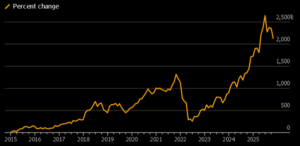
Figure 1: Netflix Performance Post 2015 stock split
The stock currently trades around USD 1,089 per share, having risen approximately 22% year-to-date despite a recent dip following earnings impacted by a tax dispute in Brazil. The split, once effective, will reduce the share price per unit but maintain total market capitalisation, which recently surpassed USD 500 billion, making Netflix more valuable than Disney, Comcast, and Warner Bros. Discovery combined. This underscores the company’s strong brand appeal, pricing power, and ability to outperform traditional media rivals.
Beyond capital structure changes, Netflix is reportedly considering a bid for Warner Bros. Discovery’s film, TV, and streaming businesses. The company has hired Moelis & Co. as its financial adviser and gained access to Warner Bros.’ financial data as part of its evaluation process. While discussions remain preliminary, the move aligns with Netflix’s ongoing strategy to acquire valuable intellectual property that can deepen subscriber engagement. Management has reiterated that while Netflix doesn’t require acquisitions to achieve its growth goals, it continues to assess strategic opportunities that enhance content strength and competitiveness.
Warner Bros. recently announced that it is reviewing strategic options following interest from multiple bidders, including Comcast and Paramount Skydance. If Netflix proceeds, the acquisition could mark one of the most transformative deals in the entertainment industry in years, potentially expanding Netflix’s content library with iconic franchises under the Warner umbrella.
Looking ahead, the combination of operational strength, a shareholder-friendly stock split, and possible strategic acquisitions could bolster investor confidence. Although short-term volatility may persist, particularly given broader market sensitivity to valuation and competition, Netflix continues to demonstrate financial resilience and strategic clarity.